Dalai Lama
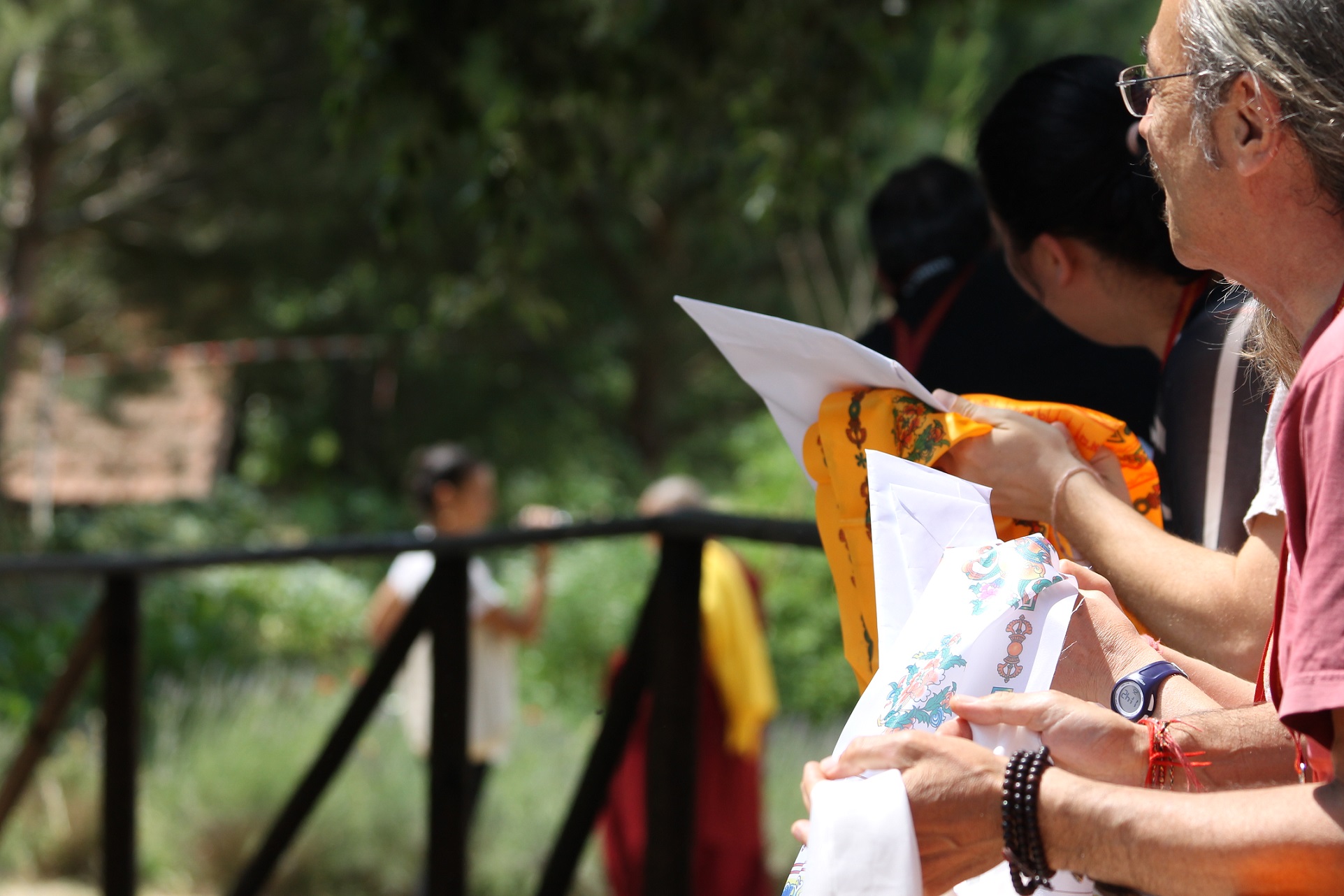
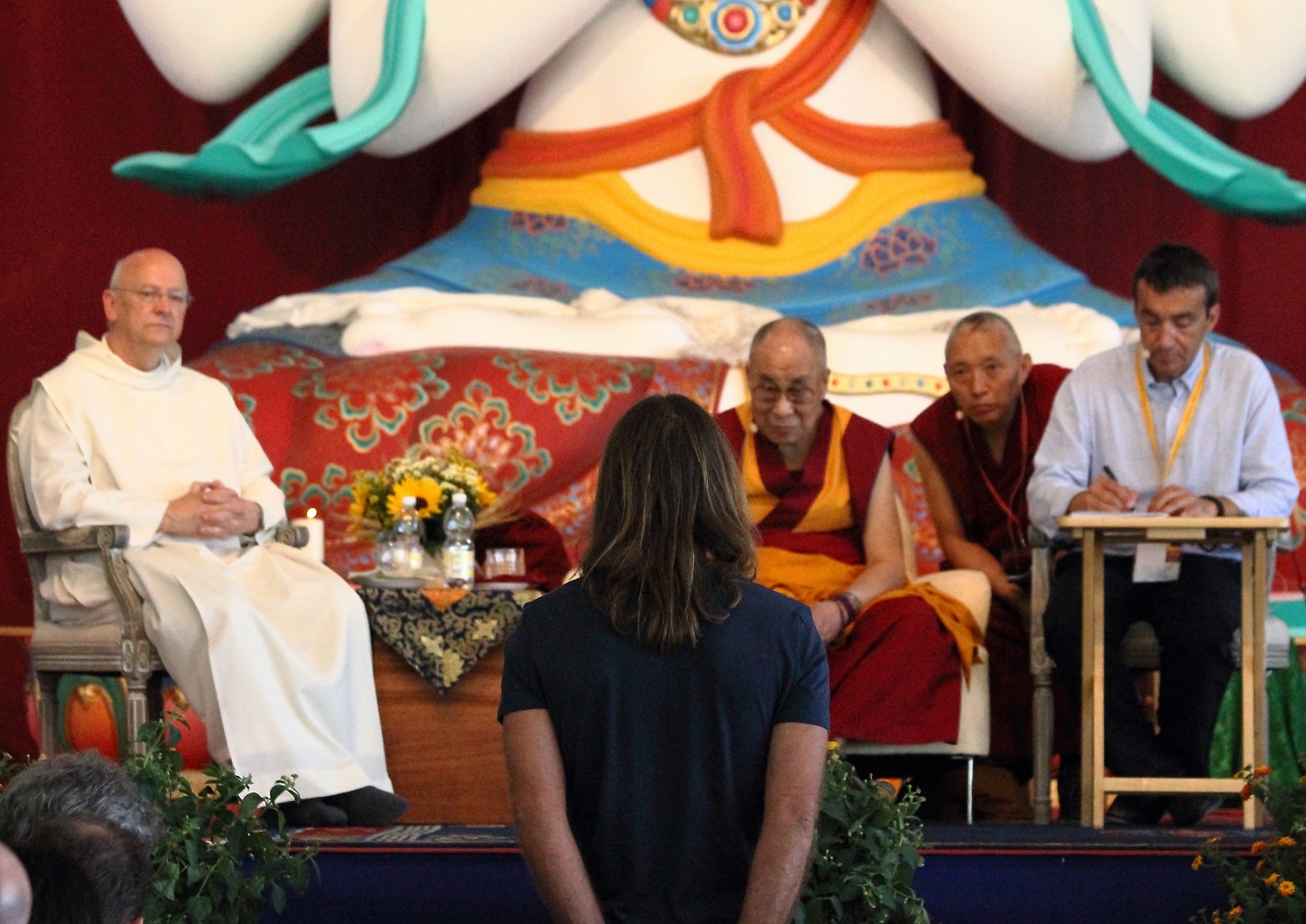
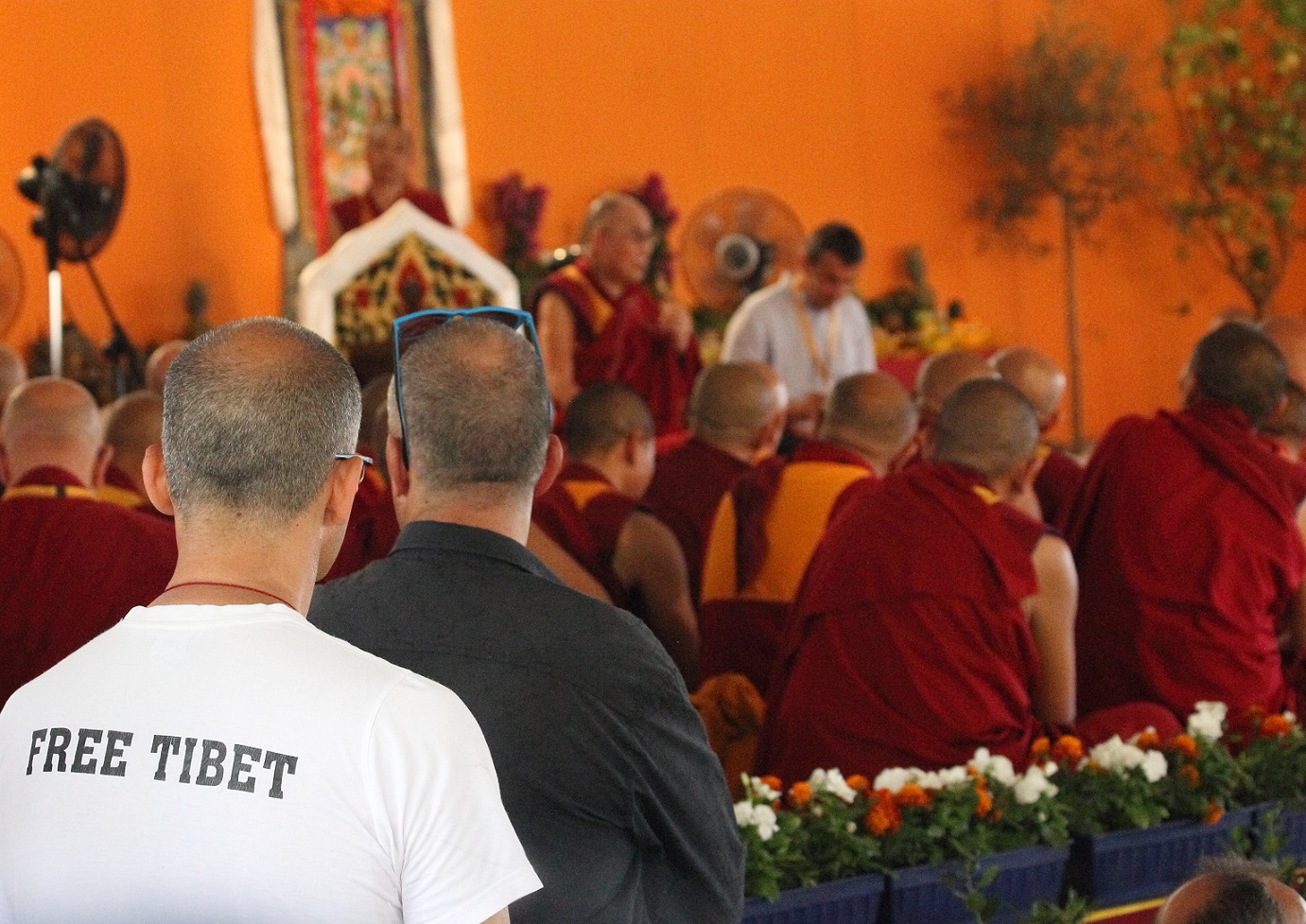
In June 2014, HH the Dalai Lama visited Italy. In his week long trip, he spent his time between a new temple, built on top of a hill behind the village of Pomaia, and in Livorno, providing lectures to followers and curious people. The following reportage has been realised for the 4Arts online newspaper and a local bhuddist association.


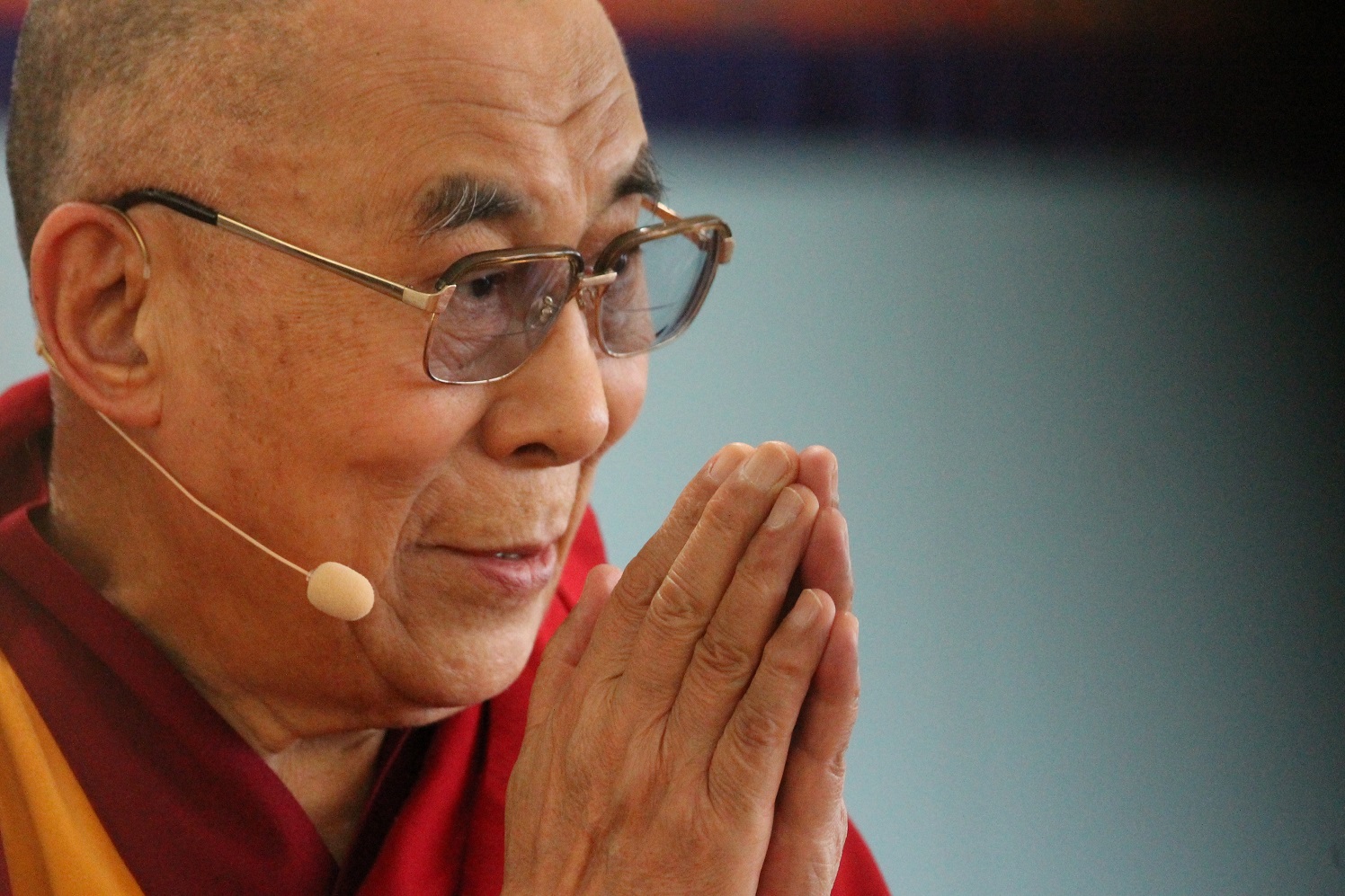


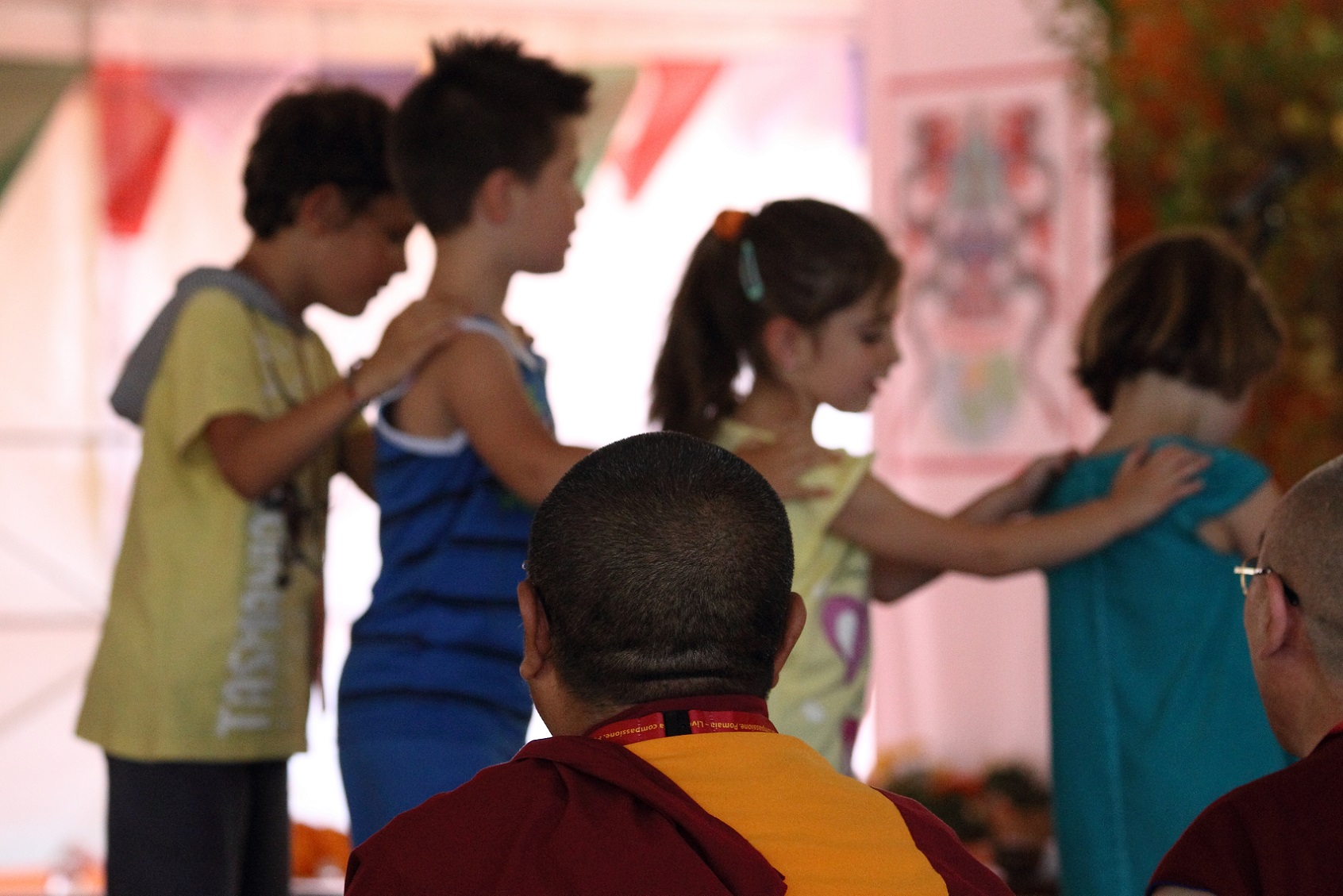


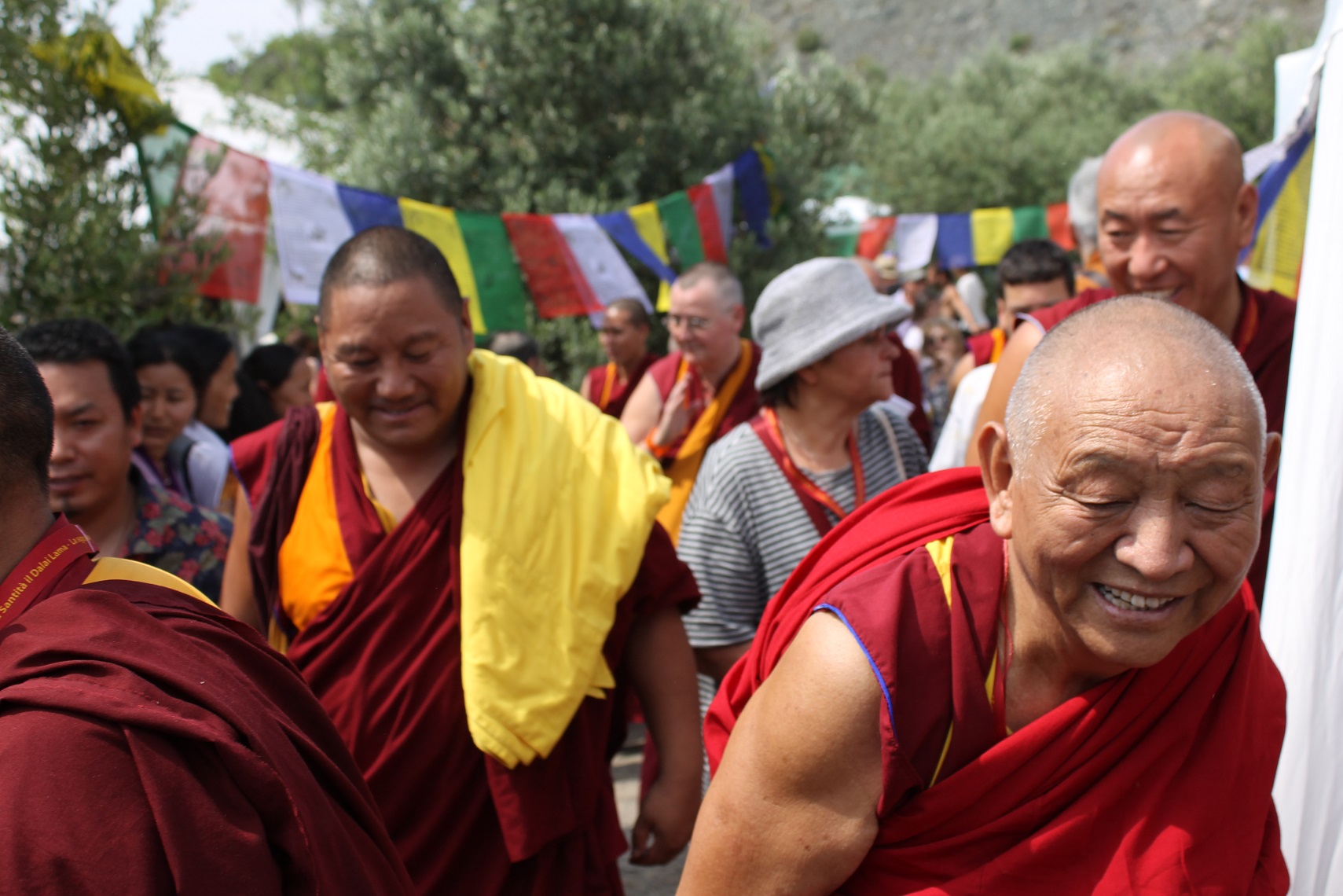
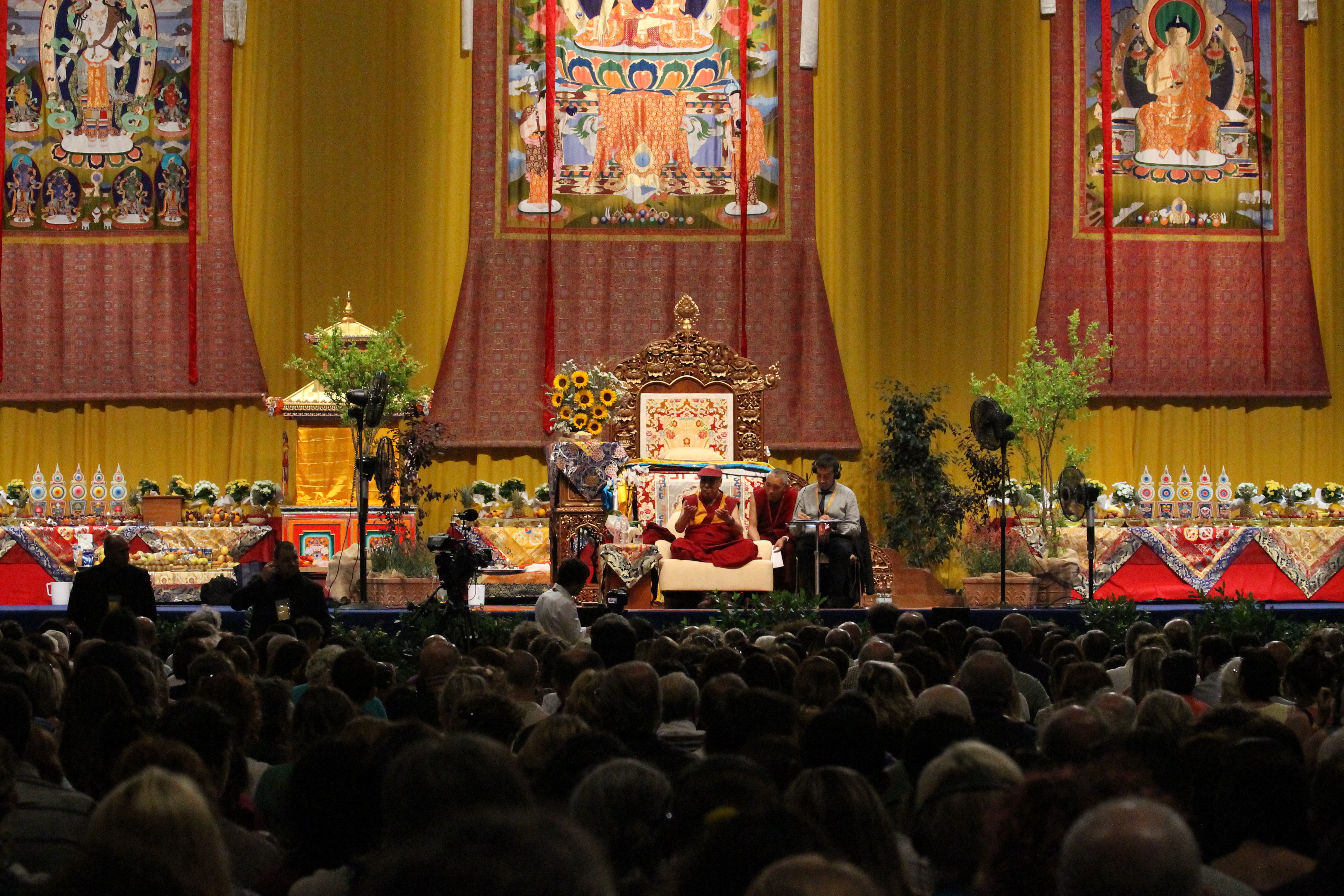

“I believe that at every level of society – family, tribal, national and international – the key to a happier and more successful world lies in the development of compassion. We do not need to become religious, nor do we need to believe in an ideology. This is all I consider necessary for each of us to develop our good human qualities”
These are the words with which Tenzin Gyatso, the 14th Dalai Lama, addressed his audience at the final event in a series of meetings held here in Italy during his visit to Tuscany. This, his fifth visit to the region with the largest number of Buddhist practitioners in all of Italy, as well as a European hub for this community, was split between the Lama Tsong Khapa Institute in the province of Pisa (12 and 13 June) and the Modigliani Forum, just a few metres from Livorno station (14 and 15 June). The teachings and maxims of this playful and ever-smiling Buddhist sage have reached every corner of the world thanks to the live online audio and video broadcast of the talks.
The visit of the 14th Dalai Lama has also once again brought to the media’s attention that now-forgotten tragedy which has been unfolding in Tibet since 1949 with the invasion by the People’s Republic of China and which, as only a few know, has been continuing for 65 years even as we read these words. Yet despite the beatings, the deprivation, and the absence of any freedom, the Tibetan people have never succumbed to the blackmail of modern society nor fallen into the abyss of violence: by resisting through non-violent means and appealing to the international community, monks and laypeople continue to fight for their cause. And it is precisely through an understanding of these ‘good human qualities’, embodied in the conduct of those who struggle whilst respecting life, that we can draw closer to Buddhist philosophy and the true meaning of ‘The Wisdom of Compassion’.